Navigating Israeli Real Estate Neighborhoods: Beyond Location
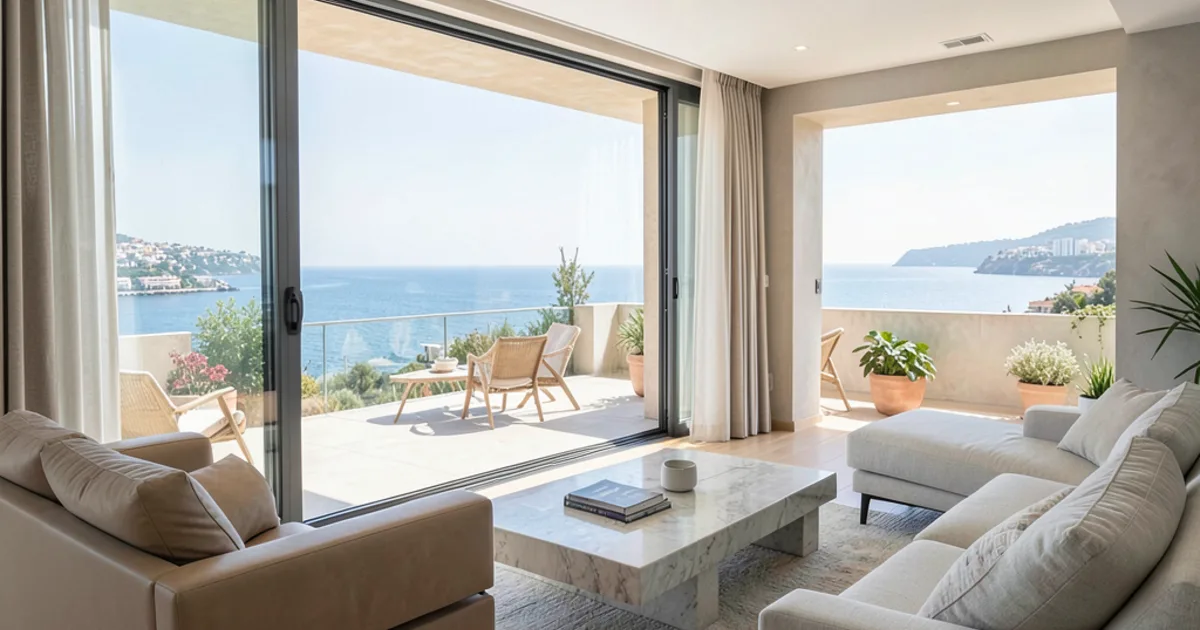
For many newcomers and seasoned investors, the initial search for property in Israel begins with a broad glance at a city map. While identifying a city like Tel Aviv, Jerusalem, or Netanya is a logical starting point, it is often a superficial approach that ignores the nuanced realities of local life. To truly find a home that aligns with your lifestyle, values, and long-term financial goals, you must look much deeper than a simple geographic coordinate. This guide explores the vital factors that define a neighborhood's character, legal standing, and economic potential.
- The Micro-Neighborhood Illusion: Why City Names Are Not Enough
- Decoding the Socio-Economic Fabric and Community Identity
- Navigating the Religious and Secular Spectrum
- Infrastructure, Accessibility, and Urban Connectivity
- The Impact of Education and Local Amenities
- Decoding Municipalities and the Arnona Structure
- Legal Due Diligence: The Tabu and the Binding Memorandum
- The Pulse of the Community: Social Integration
- Urban Renewal and the TAMA 38 Factor
- The Financial Landscape: Taxes and Mortgages
- The Aliyah Integration Curve: From Ulpan to Ownership
- A Strategic Approach to Neighborhood Selection
The Micro-Neighborhood Illusion: Why City Names Are Not Enough
One of the most common mistakes made by prospective buyers is treating a major Israeli city as a single, monolithic entity. In reality, cities like Tel Aviv or Jerusalem are composed of distinct micro-neighborhoods, each possessing its own unique atmosphere, price points, and social norms. A single street in a central Tel Aviv district may offer a bustling, cosmopolitan lifestyle, while the very next street could be a quiet, residential enclave for families. Understanding these granular shifts is essential for anyone looking to settle long-term.
In Jerusalem, the concept of the micro-neighborhood is even more pronounced due to the intricate blend of religious and secular identities. Moving just a few blocks can transition you from a highly secular, academic area into a deeply traditional or ultra-Orthodox community. This shift affects everything from the availability of local shops to the noise levels on Shabbat. Therefore, your search must focus on specific blocks rather than general municipal boundaries.
Similarly, in coastal cities like Netanya or Herzliya, the distinction between beachfront luxury and inland residential zones can be stark. While the coastal strip offers premium views and high-end amenities, the inland areas may provide more practical housing solutions for growing families. By focusing on these micro-zones, you can better align your expectations with the reality of the physical environment. This level of detail prevents the disappointment of finding a house that is technically in the right city but in the wrong social context.
- Analyze street-level noise levels and traffic patterns.
- Identify the specific 'vibe' of the immediate neighbors.
- Map out the proximity to essential local services.
Decoding the Socio-Economic Fabric and Community Identity
The socio-economic makeup of a neighborhood is a primary driver of both lifestyle quality and long-term property value. In cities like Herzliya, certain neighborhoods are characterized by high-net-worth residents and luxury developments, which in turn attracts high-end retail and services. Conversely, older residential areas in Netanya might offer a more diverse economic demographic, providing a different kind of community energy. Recognizing these patterns helps you predict the type of amenities that will eventually populate your area.
Community identity in Israel is often tied to shared values, whether they are professional, social, or religious. Some neighborhoods in Ramat Beit Shemesh are built specifically around the needs of large families, featuring expansive parks and community-centric planning. Other areas might cater to young professionals who prioritize proximity to tech hubs and nightlife. Understanding which demographic is dominant allows you to see if your own lifestyle will harmonize with the existing community.
It is also important to consider how the socio-economic status of an area affects the maintenance of public spaces. Higher-income neighborhoods often see more investment in local parks, street lighting, and cleanliness, which can indirectly influence property desirability. However, even in more modest areas, strong community ties can lead to highly active and well-maintained local environments. Always observe how residents interact with their surroundings to gauge the true social health of a neighborhood.
- Observe the types of retail and services available locally.
- Evaluate the maintenance of public parks and sidewalks.
- Assess the demographic diversity and its impact on community life.
Navigating the Religious and Secular Spectrum
For many Olim, the religious character of a neighborhood is perhaps the most critical factor in their decision-making process. Israel offers a vast spectrum of living arrangements, from highly secular urban centers to deeply traditional religious enclaves. In Jerusalem, this spectrum is visible in every district, where the presence of synagogues, kosher-only markets, and specific communal norms defines the daily rhythm. You must decide how much religious infrastructure is necessary for your lifestyle.
Choosing a neighborhood involves understanding the practical implications of religious observance. In more traditional areas, certain services, such as public transportation or grocery store hours, may change significantly on Shabbat. This can be a beautiful aspect of community life or a logistical challenge depending on your personal needs. It is vital to visit these areas on a Friday afternoon to experience the transition firsthand.
Conversely, if you prefer a secular lifestyle with late-night dining and diverse cultural events, you will want to target neighborhoods in Tel Aviv or specific parts of Netanya. These areas offer a different kind of social pulse that thrives on a continuous, secular rhythm. There is no 'correct' choice, only the choice that best supports your ability to live authentically in your new home. Balancing your personal values with the neighborhood's inherent character is the key to long-term satisfaction.
- Check the proximity and frequency of religious services.
- Evaluate the availability of kosher food and local amenities.
- Assess how Shabbat observance affects local transportation and commerce.
Infrastructure, Accessibility, and Urban Connectivity
A neighborhood's value is inextricably linked to how well it is connected to the rest of the country. The expansion of the light rail system in the center of the country has fundamentally changed which neighborhoods are considered 'prime' for commuters. Proximity to a rail station or a major highway junction can significantly influence both your daily commute and the future appreciation of your property. Always look at the long-term infrastructure plans of the municipality.
Accessibility is not just about getting to work; it is about how easily you can access essential services like hospitals, large shopping centers, and airports. In larger cities, a neighborhood that feels isolated can quickly become a burden as your lifestyle evolves. For instance, a neighborhood in Ramat Beit Shemesh might offer great community vibes but require more planning for travel to central Israel. Always calculate your expected travel times during peak hours before committing.
Furthermore, consider the internal infrastructure of the neighborhood, such as pedestrian walkways, bike lanes, and local bus routes. A neighborhood that encourages walking and easy movement is often more vibrant and resilient than one that is entirely car-dependent. Urban planning that prioritizes connectivity tends to create more sustainable and desirable living environments. Looking at the 'bones' of the neighborhood's layout will help you avoid areas that feel congested or disconnected.
- Research planned public transportation expansions (e.g., light rail).
- Test commute times during rush hour to major employment hubs.
- Evaluate the ease of pedestrian and bicycle movement within the area.
The Impact of Education and Local Amenities
For families, the quality and type of local education are often the deciding factors in neighborhood selection. Israeli municipalities manage various types of schools, including state, state-religious, and various private or specialized institutions. A neighborhood with a highly-regarded school system will naturally attract families, which can stabilize property values and create a consistent community feel. Researching the specific school catchment areas is a necessary step in the due diligence process.
Beyond schools, the presence of 'third places', social environments outside of home and work, defines the livability of a neighborhood. This includes public libraries, community centers, local parks, and even the quality of local cafes and markets. In cities like Herzliya, the availability of high-quality recreational facilities is a major draw for residents. A neighborhood with a rich array of amenities fosters a sense of belonging and improves overall quality of life.
It is also wise to consider the 'future-proofing' of these amenities. Is the local park undergoing renovation? Are there plans for a new community center or a modern shopping complex nearby? These developments can transform a quiet residential area into a bustling hub of activity. By looking at the municipality's development roadmap, you can better understand how the amenities around you might evolve over the coming years.
- Verify the specific school districts and their reputations.
- Identify the proximity of parks, libraries, and community centers.
- Look for upcoming municipal projects that may enhance local amenities.
Decoding Municipalities and the Arnona Structure
Every resident in Israel is subject to Arnona, which is the local municipal property tax used to fund city services. However, Arnona rates are not uniform across the country; they vary significantly from one municipality to another. A neighborhood in a wealthy, high-service municipality like Tel Aviv will likely have a different Arnona structure than a neighborhood in a smaller, outlying town. This tax is a recurring cost that must be factored into your monthly budget.
The amount of Arnona you pay is typically determined by the type of property (residential, commercial, or mixed) and the size of the unit. Additionally, some municipalities may offer discounts or specific structures for certain types of residents, though these are subject to local regulations. It is essential to contact the local municipality or consult with a professional to get an estimate of the expected Arnona for a specific property. Failing to account for this can lead to unexpected financial strain.
Beyond the cost, the Arnona you pay directly impacts the level of service you receive, from trash collection to road maintenance and public lighting. Higher-tax municipalities often provide more robust services, but they also come with a higher cost of living. Understanding this relationship helps you decide if the level of service provided by a specific municipality justifies the monthly expense. Always view Arnona as a direct investment in your local environment.
- Calculate expected monthly Arnona based on property size and type.
- Compare Arnona rates between different municipalities.
- Assess the quality of municipal services relative to the tax rate.
Legal Due Diligence: The Tabu and the Binding Memorandum
Navigating the legal landscape of Israeli real estate requires a rigorous approach to due diligence. The most critical step is verifying the property's status in the Tabu, which is the official land registry. The Tabu provides the definitive record of ownership, liens, mortgages, and any legal encumbrances on the property. Never rely solely on a seller's verbal claim; always ensure your lawyer conducts a thorough search in the Tabu to confirm the title is clear.
Once the ownership is verified, the next crucial document is the binding memorandum, often referred to as the 'Hetz' or 'Hoz'. This document outlines the specific terms and conditions of the sale, including the price, payment schedule, and closing date. It is the contract that governs the entire transaction and can include clauses regarding the condition of the property or specific repairs. It is imperative that a qualified lawyer reviews this memorandum to protect your interests before any signatures are applied.
Furthermore, legal due diligence should extend to checking for any outstanding municipal debts or legal disputes involving the building itself. In some cases, a property may be subject to complex urban renewal projects that could impact your rights as an owner. A comprehensive legal review ensures that you are not stepping into a legal minefield. Taking these steps may seem time-consuming, but they are the only way to ensure a secure and transparent transaction.
- Always verify ownership through an official Tabu search.
- Have a lawyer review the binding memorandum in detail.
- Check for any municipal liens or legal disputes on the property.
The Pulse of the Community: Social Integration
Buying a home is a financial decision, but living in a neighborhood is a social one. The 'pulse' of a community refers to how residents interact, the level of social cohesion, and the general atmosphere of the streets. In many Israeli neighborhoods, there is a strong sense of communal responsibility and neighborly support. This can be particularly beneficial for newcomers who are looking to build a new social network from scratch.
To gauge the social pulse, it is helpful to spend time in local gathering spots, such as neighborhood bakeries, parks, or synagogues. Observe how people interact with one another and whether there is a sense of shared community pride. A neighborhood where people know their neighbors often feels safer and more welcoming. Conversely, a neighborhood with a more transient population may feel more anonymous, which may or may not suit your preference.
Social integration also involves understanding the unspoken rules of the neighborhood. Every community has its own rhythm, from how noise is managed to how communal spaces are shared. For those moving from abroad, this can be a period of adjustment. By choosing a neighborhood that matches your social energy, you make the process of integration much smoother and more enjoyable.
- Spend time in local communal spaces to observe social dynamics.
- Determine if you prefer a tight-knit community or more privacy.
- Assess the 'social energy' and how it aligns with your personality.
Urban Renewal and the TAMA 38 Factor
In many Israeli urban centers, the landscape is constantly shifting due to urban renewal initiatives, most notably the TAMA 38 program. This regulatory framework allows for the strengthening of buildings against earthquakes and the addition of new floors to existing structures. While this can lead to significant modernizations and increased property values, it can also cause temporary disruption. Understanding if your target neighborhood is a focus for urban renewal is vital.
For an investor, TAMA 38 projects can represent a significant opportunity for capital appreciation. A neighborhood undergoing widespread renewal often sees a rise in overall desirability and infrastructure quality. However, if you are looking for a quiet, unchanging environment, you may want to avoid areas where large-scale construction is imminent. The noise, dust, and logistical challenges of construction can impact your daily life for an extended period.
When evaluating a property, always ask if the building or the surrounding area is part of an active or planned urban renewal scheme. This information is often available through municipal planning offices. Being aware of these developments allows you to make an informed decision about whether the potential long-term gains outweigh the short-term inconveniences. Urban renewal is a powerful force in Israeli real estate that can fundamentally change a neighborhood's character.
- Inquire about active or planned TAMA 38 projects in the area.
- Evaluate the potential for capital appreciation through urban renewal.
- Consider the impact of construction noise and disruption on your lifestyle.
The Financial Landscape: Taxes and Mortgages
The cost of a home in Israel extends far beyond the purchase price. You must account for Mas Rekhisha, which is the purchase tax applied to real estate transactions. The rates for Mas Rekhisha vary depending on whether the property is your only residence or an investment, and the tax brackets are structured to scale with the property value. Failing to budget for this tax can lead to significant shortfalls during the closing process.
Another critical financial consideration is Mas Shevah, or capital gains tax. This tax is applied when you eventually sell the property, and while there are exemptions for primary residences, it is a major factor in calculating your long-term return on investment. Understanding how Mas Shevah is calculated will help you make more strategic decisions about when to sell. It is a vital component of the total lifecycle cost of your real estate investment.
Finally, most buyers will need to secure a Mashkanta, which is a mortgage from an Israeli bank. The terms of a Mashkanta, including interest rates and the length of the loan, will dictate your monthly cash flow. It is important to understand how the mortgage interacts with your other financial obligations and how interest rate fluctuations might affect your stability. Working with a mortgage professional can help you navigate these complexities and find a product that fits your long-term plan.
- Budget for Mas Rekhisha as part of your initial acquisition cost.
- Factor in Mas Shevah when calculating potential investment returns.
- Consult with a professional regarding Mashkanta terms and rates.
The Aliyah Integration Curve: From Ulpan to Ownership
The journey of an Olim often begins with language immersion in an Ulpan. While the primary goal of Ulpan is to learn Hebrew, it also serves as a crucial period for cultural and social orientation. During this time, you are building the foundational skills necessary to navigate all aspects of Israeli life, including the real estate market. Using your Ulpan period to observe different neighborhoods can be an invaluable part of your transition.
Moving from the classroom to property ownership is a significant leap. The emotional and psychological weight of finding a 'home' in a new country cannot be overstated. It is often helpful to rent for a period before committing to a purchase, allowing you to experience the seasonal changes and the local rhythms of a neighborhood without the pressure of a mortgage. This 'test drive' period can prevent costly mistakes.
As you become more comfortable with the language and the culture, your ability to conduct real estate business will improve exponentially. Being able to understand local nuances and communicate effectively with professionals is a major advantage. Treat your search for a home as part of your broader integration process, allowing yourself the time to truly understand the land you are settling in.
- Use your Ulpan period to observe various local neighborhoods.
- Consider renting first to experience a neighborhood's true rhythm.
- Build your Hebrew skills to better communicate with legal and financial professionals.
A Strategic Approach to Neighborhood Selection
Selecting the right neighborhood in Israel requires a multi-dimensional strategy that balances emotion with rigorous logic. You must weigh your desire for a specific lifestyle, whether it be the coastal breeze of Netanya or the historic streets of Jerusalem, against the practical realities of taxes, infrastructure, and legal standing. There is no single 'perfect' neighborhood, only the one that most closely aligns with your unique set of priorities.
A successful approach involves gathering data from multiple sources: municipal websites for Arnona and planning, the Tabu for legal certainty, and physical visits for social atmosphere. Avoid making decisions based on a single viewing or a single piece of advice. The most informed buyers are those who have walked the streets, spoken to locals, and consulted with experts in both law and finance.
Ultimately, your home is the foundation of your new life in Israel. By looking beyond simple location and delving into the micro-neighborhood dynamics, the religious spectrum, and the legal intricacies, you set yourself up for long-term success. Take your time, be thorough, and approach the process with both an open heart and a critical eye. Your ideal home is waiting, but it requires a deep understanding to find.
- Synthesize data from municipal, legal, and personal observations.
- Avoid making impulsive decisions based on limited information.
- Prioritize a balance between lifestyle desires and financial realities.
FAQ
How does Arnona affect my monthly budget?
Arnona is a recurring municipal tax that varies by city and property size. You should contact the specific municipality to get an accurate estimate so you can include it in your monthly living expenses.
Why is checking the Tabu so important?
The Tabu is the official land registry that confirms legal ownership and any existing liens. Checking it ensures you are buying from the rightful owner and that there are no hidden legal issues with the property.
Can religious neighborhoods impact the resale value of my home?
Religious neighborhoods often have very stable and dedicated populations, which can support consistent demand. However, the specific demographic may limit the pool of potential buyers to those who share those religious values.
What should I look for in a binding memorandum?
The memorandum is your primary contract and should clearly state the price, payment terms, and any conditions regarding the property. Always have a lawyer review it to ensure all your interests and protections are included.
Get your personalised shortlist
Listings and up-to-date info, straight to your inbox, free, no obligation.
Get my shortlist →